Pack design
Why one bad cell
costs a whole pack
Modern packs increasingly drop the module layer, and that is why a single bad cell can cost a whole pack.
At a glance
- Three cell formats and the maker's choice decides serviceability
- Cell to pack designs are generally not module serviceable
- The management system is doing far more than reporting a percentage
- Cooling is the whole ballgame for how a pack ages
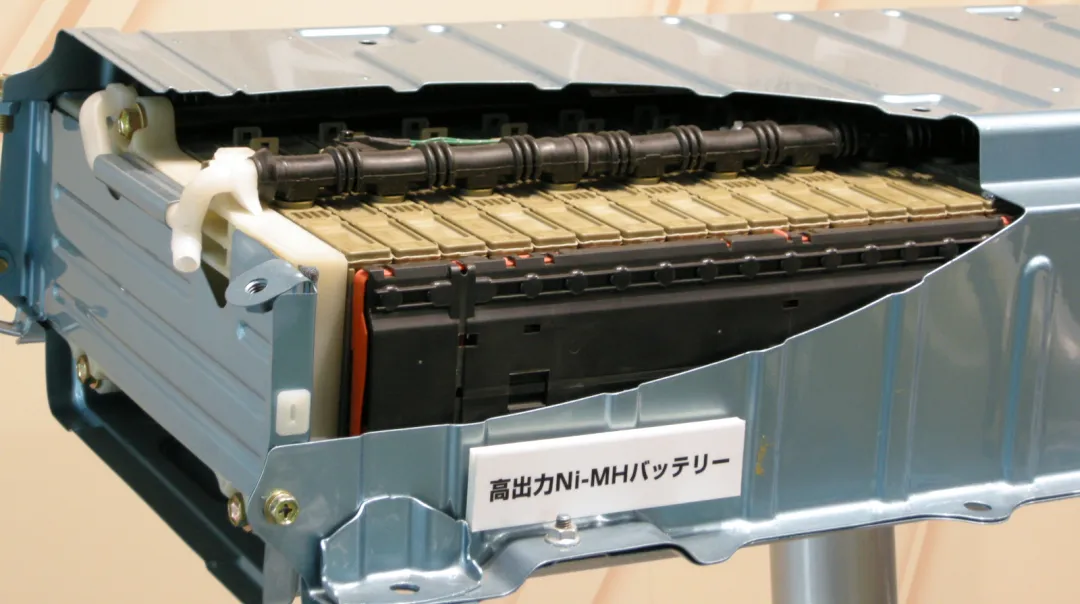

Cell formats
- Cylindrical
- Tesla 18650, 2170 and 4680, Lucid, first generation Rivian R1Cheap at volume and mechanically robust. The tradeoff is a very large number of cells to manage.
- Prismatic
- BYD, CATL, Volkswagen, most Chinese manufacturersBest volumetric packing and a stiff case that carries load.
- Pouch
- LG Energy Solution and SK On cells, so Hyundai and Kia, GM Ultium, FordLightest and most flexible, and it needs external compression because it swells as it ages.
Modules against cell to pack
A traditional pack groups cells into modules and modules into a pack, which is heavier and wastes space but can be serviced a module at a time. Cell to pack designs slot cells straight into the pack structure. BYD's Blade does it with long prismatic cells. Tesla bonds cells into the floor so the pack carries structural load. The owner consequence is blunt. Cell to pack designs are generally not module serviceable, so a bad cell means a pack.
What the management system actually does
The battery management system measures every cell group's voltage along with pack current and several temperatures, estimates state of charge and available power, enforces the voltage current and temperature limits, drives the main contactors and the pre charge circuit, watches for welded relays, and balances cells either by bleeding the high ones through resistors or by shuttling charge between them.
Thermal management
- Active liquid
- now standardGlycol plates between the cells. This is the reason a modern pack survives repeated fast charging.
- Active air
- hybridsDucted cabin air and a fan. Adequate for the small, gently cycled pack in a hybrid.
- Passive
- the first two generations of Nissan LeafNo fan and no coolant, with heat leaving through the case. It produced the industry's clearest natural experiment, because Arizona cars lost capacity markedly faster than temperate climate cars. The redesigned Leaf adopted liquid cooling.
Buying a Used EV or Hybrid?
Get the battery measured before you pay for it. A PPI Auto inspector tests the pack on the car you are looking at and sends you the numbers. Starting at $225.