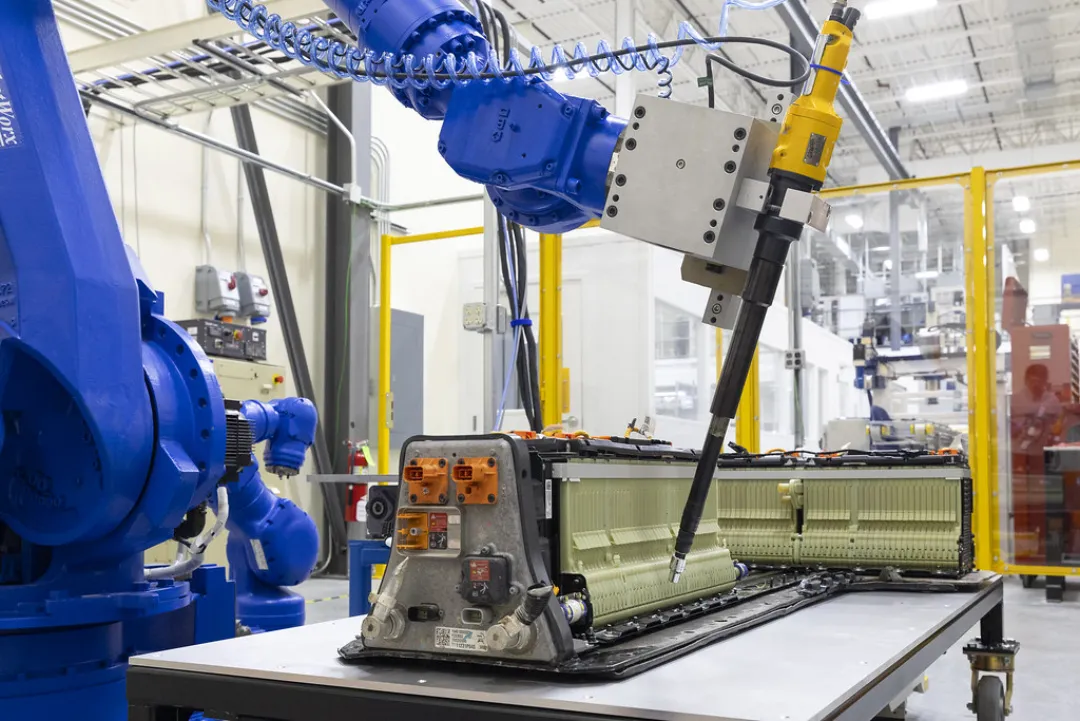
A dead pack is worth real money to somebody. Almost never to you.
At a glance
- More than 95 percent of the critical minerals are recoverable
- You get nothing. Value is captured at the shop or the salvage yard
- The sector is struggling. A major recycler went bankrupt in 2025
- Second life is small, at two to three percent of grid storage
What happens
A pack reaching end of life is triaged. Either it is healthy enough to remanufacture or repurpose, or it goes to recycling.
Redwood Materials states it recovers more than 95 percent of the critical minerals, meaning lithium, cobalt, nickel and copper, and processed more than 20 GWh of lithium ion batteries in 2024, roughly the equivalent of 250,000 electric cars.
What you get back
Redwood's own FAQ says it does not compensate for consumer devices or batteries through its consumer program. Where a pack has residual value it is captured at the shop or the salvage yard, not at the kerb.
The state of the industry
The sector is not financially healthy. Li-Cycle filed for bi national bankruptcy in 2025 and was bought by Glencore for 40 million dollars, closing on 8 August 2025, after Glencore had already put 275 million into it and a 475 million dollar federal loan was never drawn.
Second life
Second life is real but small, at two to three percent of deployed grid storage. The live examples are Redwood with GM, 100 packs at 1.5 MW and 7.2 MWh in Michigan, Redwood with Rivian, more than 100 packs at 10 MWh in Normal Illinois, and B2U with hundreds of packs in California and Texas. Falling new cell prices are the main threat to the business case.
Buying a Used EV or Hybrid?
Get the battery measured before you pay for it. A PPI Auto inspector tests the pack on the car you are looking at and sends you the numbers. Starting at $225.